Why I am running for FIDE Vice President
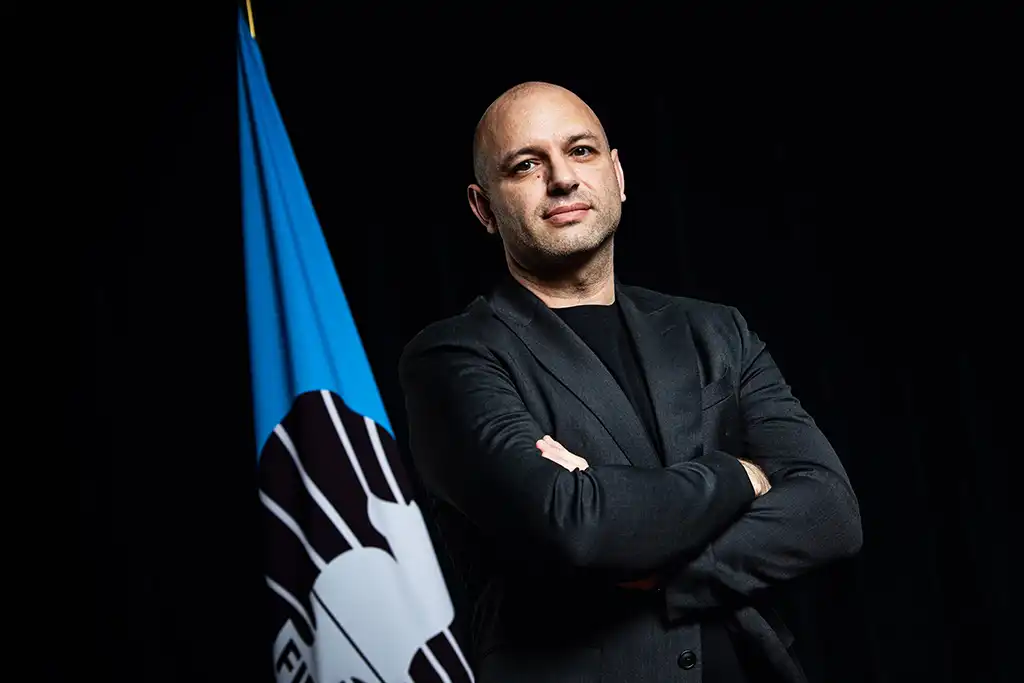
I have decided to run for the position of Vice President on the FIDE Council.
I will use this post to answer the what, the why, and the who.
WHAT is the FIDE Council
The Council is the main decision-making body in FIDE.
While small, day-to-day decisions are handled by the Management Board, and institutional decisions are submitted to the General Assembly, everything that falls in between (which is most things) goes through the Council. Recent examples include the changes to the World Cup format and the decision on whether Russian teams could compete in FIDE events.
The Council consists of 15 members: the President and Deputy President, five people their ticket nominates, four Continental Presidents, and four Vice Presidents elected directly by the General Assembly. I’m running for one of those four Vice President seats.
WHY I am running
My five years serving FIDE as Chief Marketing and Communications Officer (2019–2023) allowed me to connect with amazing people from all over the world. But it also made me see firsthand the missed opportunities, the untapped potential, the mismanagement, and the poor decision-making.
Chess administration is run largely by former players who turned chess politics into a second career. Most are highly-intelligent, hard-working people, but often with little exposure to the private sector and a shaky grasp of marketing or how to build FIDE’s commercial side. Specialists and professionals are scarce, because FIDE struggles to attract or keep them: four marketing professionals, myself included, have left FIDE from the back door (either fired or resigned) in the past few years, unable to get on the same page as management.
Running is my way of getting a commercial perspective, and some fresh thinking, into that room. One vote out of fifteen isn’t much, but it’s more than zero.
The position is unpaid. I don’t represent a federation, I’m not bidding for any FIDE events. I have no personal agenda — I just want to help turn chess’s governing body into something more modern and more professional.
WHO I am
Teaching chess in schools was my first job, for five years. That was followed by chess journalism, writing for several of the largest newspapers in the Spanish language, as well as multiple chess magazines.
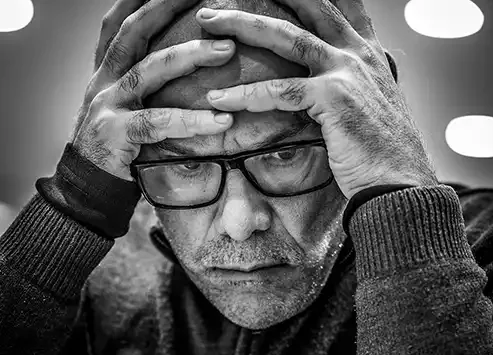
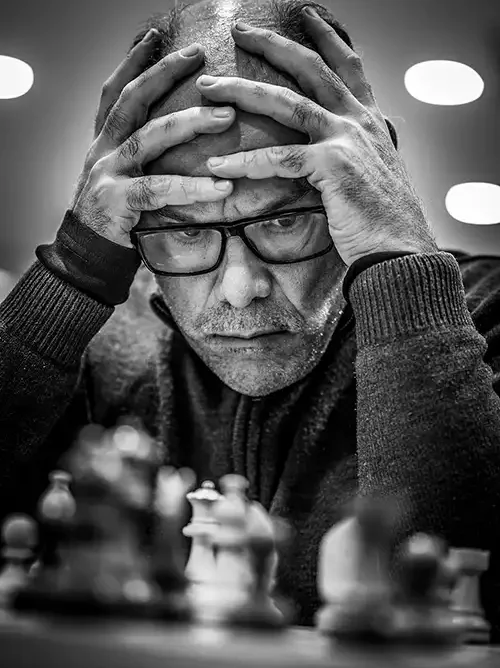
My path shifted in 2004, when I started founding, managing, or being an early investor in a number of commercial enterprises, ranging from electric vehicles to sports betting, import-export, football and sports management, PR, and more. Most of them were small companies, similar in size and budget to what FIDE is today. It was during this period that I took up photography as a hobby, to keep a connection with chess and help popularize the game through visual language. The results of this side “hobby” are out there for everyone to see – quite literally.
I returned to chess in 2018 and offered FIDE my help, hoping my background would count for something. The five years that followed were frustrating, but also a valuable learning experience. From 2023 to 2026, I served as Director of Communications for the Internet Chess Club (ICC).
Having worked on projects across four continents gives me a real sense of the needs, concerns, and cultural nuances of the federations I’d be serving.
Grand Rapids, Michigan
August 7, 2026